

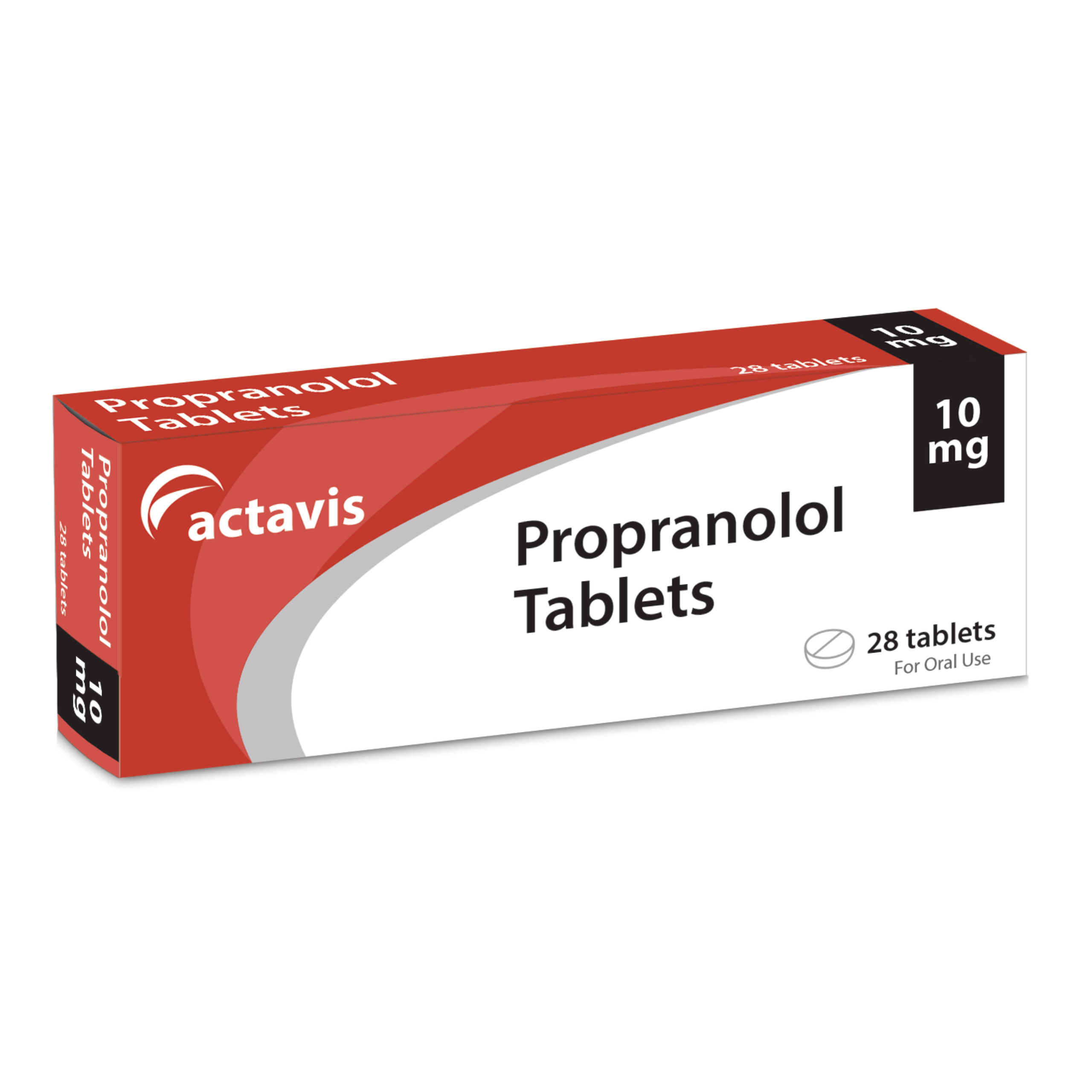
Propranolol

Fastest delivery:
Order by 3:00pm
-

Free delivery over £50.00
Fast, tracked delivery from £2.95. Arrives as quickly as the next working day in discreet packaging.
-

100% UK-based pharmacy
Our team of doctors and prescribers, and our support staff, are all UK-based.
-

Free support and advice
We're on hand to offer free support and advice by email and telephone (Mon - Fri 08:30 - 17:00).
-

We’re rated 4.9 out of 5
based on over 17,000 reviews collected on Google and Reviews.io.
Description
What is Propranolol?
Propranolol is a beta-blocker used to manage a variety of cardiovascular and anxiety-related conditions. It works by blocking the effects of adrenaline on the heart and blood vessels, helping to reduce heart rate, blood pressure, and strain on the heart. It is commonly prescribed to manage high blood pressure, angina (chest pain), irregular heartbeats (arrhythmias), and to prevent migraines. It is also used off-label to manage anxiety symptoms, particularly physical symptoms like rapid heartbeat and tremors.
Propranolol is available as an oral medication and is usually taken daily or multiple times per day depending on the condition being treated. Treatment is tailored to each patient, with dosage and duration based on individual health needs and response to the medication. By helping to control the physical effects of stress hormones on the body, propranolol can support long-term management of symptoms when used as part of a clinically guided treatment plan.
How Does Propranolol Work?
High blood pressure is a serious disease that, if not treated, can wreak havoc on the brain, heart, vessels, kidneys, and other organs in the body. Damage to these organs can lead to heart disease, a heart attack, stroke, kidney failure, loss of vision, and other disorders. As a beta-blocker, Propranolol works by altering how the heart responds to certain nerve messages that interfere with the heart and blood vessels. This change lowers blood pressure, slows down the heart rate and strain on the heart, thus promoting effective circulation of blood to all organs.
By reducing the effects of stress hormones such as adrenaline, propranolol helps the heart beat more steadily and with less force. This reduces the workload placed on the heart and helps prevent sudden spikes in heart rate and blood pressure. Over time, this controlled response supports healthier blood flow throughout the body and lowers the risk of complications associated with prolonged high blood pressure and cardiovascular strain.
Warnings
- If you have asthma or a critical heart condition, do not take propranolol.
- Before taking Propranolol, speak with your doctor if you're trying to get pregnant or if you're already pregnant.
- Other medicines may counteract the effects of propranolol so you should consult with your doctor if you are under any medication.
- Avoid alcohol when taking propranolol since an increase in the levels of propranolol in the body can cause massive side effects.
- Tell your doctor if you are allergic to propranolol or any other medicines.
- Let your healthcare provider know if you smoke or use other tobacco products.
- Always inform your doctor or dentist that you are taking propranolol prior to surgery or medical treatment.
Directions
Propranolol is an oral medication that must be ingested as directed by the doctor and only after reading the instructions. Always follow the dosage instructions provided, as taking more or less than recommended can affect how the medicine works.
- The drug can be taken with or without meals but it must be taken at the same time.
- The tablets or capsules should be swallowed with water without chewing.
- If you forget to take your dose, take it as soon as you remember unless it's time for your next dose. In this case, skip the missed dose and continue with your regular dosing schedule. Do not take an extra dose to make up for the forgotten one to avoid overdosing.
- Do not stop taking propranolol suddenly without medical advice, as this may cause serious complications such as changes in heart rhythm or blood pressure. If you have any questions about how or when to take propranolol, speak to your doctor for further guidance.
Ingredients
The inactive ingredients contained in propranolol include (among others):
- Lactose
- Magnesium
- Stearate
- Stearic acid
- Microcrystalline cellulose
The active ingredient is propranolol hydrochloride, responsible for the therapeutic effects of the medication. The remaining ingredients are inactive components used to form the tablet and ensure its stability and absorption.
If you have any known allergies or intolerances, including lactose intolerance, speak to your doctor before taking propranolol. Always refer to the patient information leaflet for a full and up-to-date list of ingredients.
Side Effects
Propranolol can cause mild side effects that go away within a few days to serious ones that require immediate medical intervention. These include:
- Nausea
- Diarrhoea
- Allergic reactions
- Breathing problems
- Cold feet and hands among others.
In some cases, propranolol can cause more serious side effects. These may include:
- Slow or irregular heartbeat
- Severe dizziness or fainting
- Swelling of the face, lips, or throat (which may indicate an allergic reaction)
- Changes in mood such as depression or confusion
Low blood sugar symptoms such as sweating, shaking, or confusion may also occur, especially in people with diabetes.
If your symptoms do not seem to improve or worsen tell your doctor immediately. Do not stop taking propranolol without medical advice, as stopping suddenly can cause serious complications.
FAQs
1. How often should I take Propranolol?
The dose and frequency depend on your condition, but it is typically taken 2 to 3 times daily. Extended-release capsules are usually taken once daily. Always follow your doctor's instructions and do not change your dose without medical advice.
2. Can I take Propranolol for anxiety?
Yes, Propranolol is often prescribed off-label for anxiety to help manage physical symptoms such as shaking, sweating, or rapid heartbeat. It does not treat the underlying cause of anxiety but can help control the physical effects in situations such as performance or situational anxiety.
3. Can Propranolol be used for migraines?
Yes, it is commonly used as a preventive treatment for migraines. It is taken regularly to help reduce the frequency and severity of migraine attacks rather than to treat an active migraine once it has started.
4. What if I miss a dose?
Take the missed dose as soon as you remember, unless it’s almost time for your next scheduled dose. Do not double up on doses, as this can increase the risk of side effects.
5. How long does it take for Propranolol to start working?
The effects on heart rate and blood pressure can be felt within an hour of taking a dose. For anxiety or migraine prevention, it may take a few days of regular use to see full benefits.
6. Are there any dietary instructions I should follow while taking propranolol?
Propranolol can be taken with or without food, but it should be taken consistently at the same time each day. Alcohol should be avoided or limited, as it can increase the effects of propranolol and raise the risk of side effects.
7. Can I stop taking propranolol suddenly?
No, propranolol should not be stopped suddenly without medical advice. Stopping abruptly can lead to serious complications such as chest pain, irregular heartbeat, or changes in blood pressure. Your doctor will advise on how to reduce your dose safely if treatment needs to be stopped.
8. How should propranolol be stored?
Store propranolol at room temperature in a dry place, away from direct heat, moisture, and sunlight. Keep the medication in its original packaging and out of reach of children.
9. How should propranolol be disposed of?
Do not throw propranolol tablets or capsules into household waste or flush them down the toilet. If you have unused or expired medication, return it to a pharmacy for safe disposal.
10. When should I contact a doctor while taking propranolol?
Contact your doctor if you experience severe side effects, worsening symptoms, or any unusual reactions. You should also seek medical advice if you have concerns about dosage, interactions with other medicines, or if your condition does not improve as expected.
